What the light actually means
The check engine light (also called the engine management light or malfunction indicator lamp) is usually an amber engine-shaped symbol. It comes on when the car's engine computer detects a fault it monitors, mostly in the engine, fuel, ignition and emissions systems. When it does, the computer stores a fault code that a workshop can read with a diagnostic tool.
The most useful thing you can notice is whether the light is steady or flashing:
- Steady: a fault has been detected. It may be minor, but it should still be checked soon.
- Flashing: usually a severe misfire. Unburnt fuel can overheat and damage the catalytic converter, which is an expensive part. Reduce speed and stop somewhere safe.
- On briefly when you start the car, then off: normal. Most cars light it up as a bulb check when you switch on.
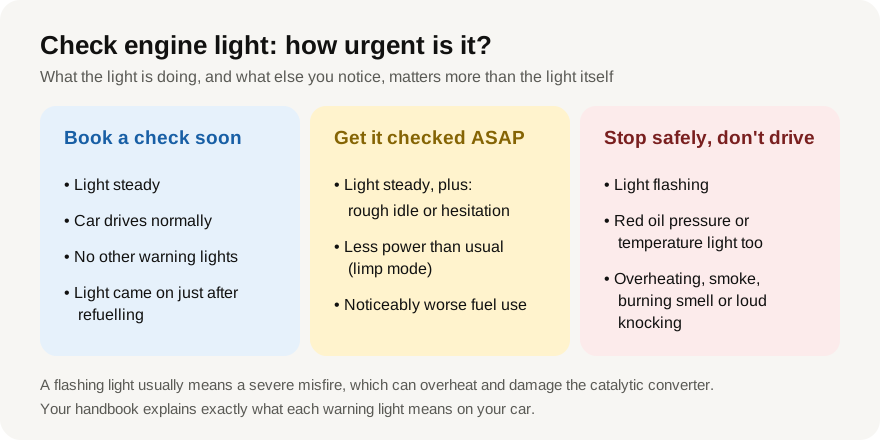
Do not drive if the light is flashing, if a red oil pressure or temperature warning comes on with it, or if the car is overheating, smoking or knocking. Stop somewhere safe, switch off and arrange for a workshop or tow.
Common causes
Many different faults can trigger the light. Some of the more common ones are:
- Loose or faulty fuel cap: on many petrol cars the system checks for fuel vapour leaks, and a cap that is not fully closed can trigger the light.
- Ignition problems: worn spark plugs or a failing ignition coil can cause misfires, rough running and hesitation.
- Sensors: oxygen sensors, the mass airflow sensor and others feed the engine computer. A faulty or dirty sensor can upset fuelling and economy.
- Catalytic converter: it can lose efficiency with age, or be damaged by long-running misfires.
- Vacuum or air leaks: a split hose lets in unmeasured air, which can cause rough idle.
- Diesel-specific faults: such as the EGR valve or the diesel particulate filter, which on many cars has its own separate warning light.
Stop-start traffic and lots of short trips can contribute to some faults, such as carbon build-up or a particulate filter that never gets hot enough to clean itself. Hybrids and some newer cars may show faults differently, so check your handbook for what each light means on your car.
What a fault code does and does not tell you
Most cars use a standard five-character code format. The letter shows the system, and the numbers narrow it down to a specific fault the computer detected.
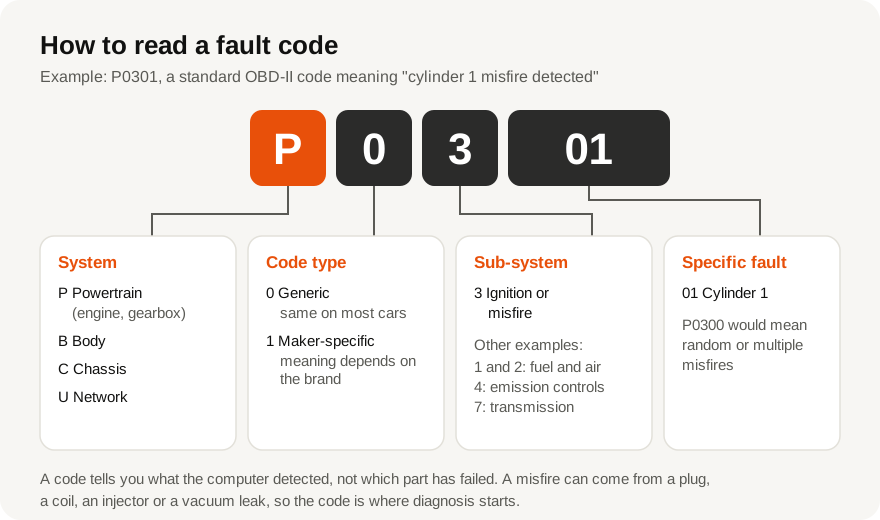
A code is a starting point, not a diagnosis. P0301 says cylinder 1 is misfiring, but the cause could be a spark plug, an ignition coil, an injector, a vacuum leak or low compression. A good workshop tests to confirm the cause before replacing parts, so you are not paying for guesses.
Inexpensive code readers can show you the code, which is useful to know. Avoid clearing the code yourself before a workshop sees it: clearing erases information that helps find the cause, and the light usually comes back if the fault is still there.
What to do next
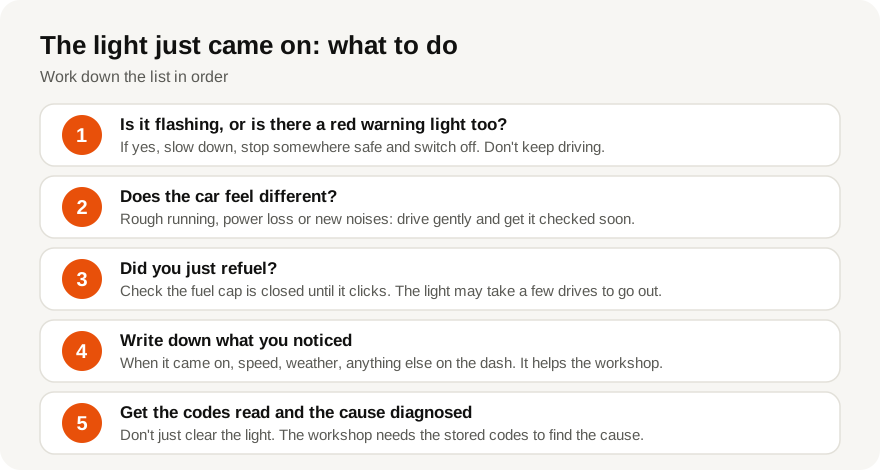
If the light came on right after refuelling, check that the fuel cap is properly closed. It can take several drives for the light to go out after the cause is fixed, so a light that stays on for a day is not by itself a sign that something else is wrong.
When you book, tell the workshop:
- Whether the light is steady or flashing, and when it first came on
- Any change in how the car drives: rough idle, hesitation, power loss, new noises or smells
- Any other warning lights on the dashboard
- Recent work on the car, and any codes you have already read
On AXL you can describe the warning light and symptoms once and vetted workshops quote for the diagnosis, so you can compare before you book. Any repair that follows is quoted separately once the cause is known.
Frequently asked questions
Can I keep driving with the check engine light on?
If the light is steady and the car drives normally, you can usually drive gently to a workshop, but get it checked soon. If it is flashing, or the car is overheating, losing power badly or showing a red warning light, stop somewhere safe and do not keep driving.
Will the light go off by itself?
Sometimes. If the fault was temporary, such as a loose fuel cap, the light may go out after several drives once the car rechecks the system. The code often stays stored for a while, so a workshop can still read it.
Is it safe to just clear the code?
Clearing it does not fix anything. The light will usually come back if the fault is still there, and clearing it erases details that help a workshop find the cause. Get the codes read first.
Describe the job once and Singapore workshops send you quotes to compare. Your details stay private until you choose.
Get free quotesRelated services
More guides
- Car aircon not cold? 8 common causes and what to do
- How to compare car workshop quotes (and what to ask before you say yes)
- Car servicing schedule in Singapore: minor vs major service
- Brake warning signs: what each symptom means
- Car battery warning signs: when to replace it
- When to replace your car tyres: tread, age and wear