What each one actually does
The key difference is that polish removes and the others add. Polishing takes away a tiny amount of the clear coat to level out swirls and light scratches. Wax, sealant and ceramic coating each put a layer on top of the paint to protect it.
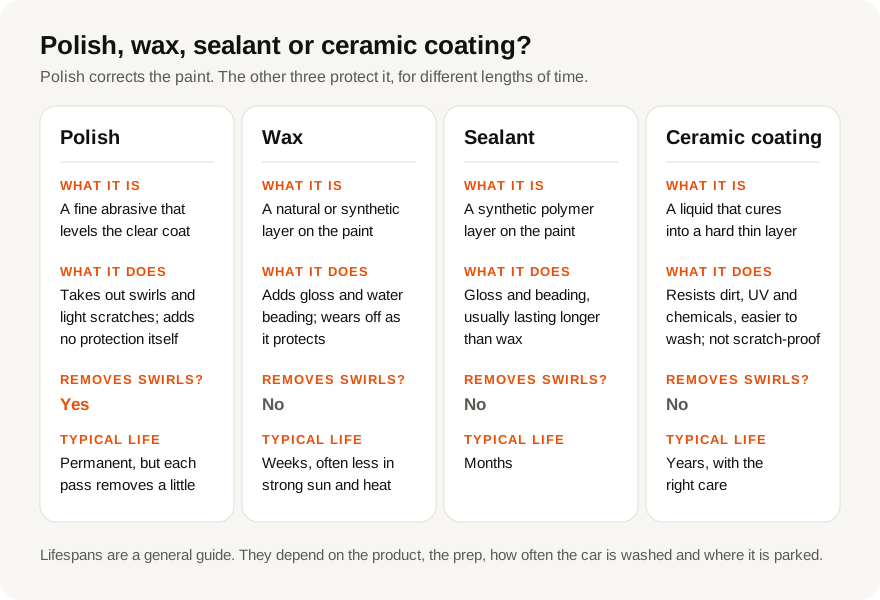
- Polish: a fine abrasive used by hand or, more often, with a machine. It removes swirl marks, haze and light scratches, so the paint reflects light evenly again. On its own it gives no lasting protection. Some products sold as polish also contain fillers that hide swirls for a while rather than removing them.
- Wax: a natural (often carnauba) or synthetic layer that adds gloss and makes water bead. It is a sacrificial layer: it wears away as it takes the hits, and it tends to break down faster in strong sun and heat.
- Sealant: a synthetic polymer protection. It does a similar job to wax but usually lasts longer.
- Ceramic coating: a liquid, often silica-based, that cures into a thin, hard layer bonded to the paint. It resists UV, dirt and many chemicals, and it makes the car easier to wash. Some coatings are marketed as graphene; compare them on the prep, the warranty and the aftercare rather than the label.
None of these stops stone chips or deeper scratches. For that kind of physical protection, owners look at paint protection film, which is a different product.
Why the order matters: correct first, then protect
A coating locks in whatever is underneath it. If the paint has swirls when it is coated, those swirls stay sealed in for the life of the coating. That is why good coating jobs usually start with a wash, decontamination and paint correction (polishing) before the coating goes on.
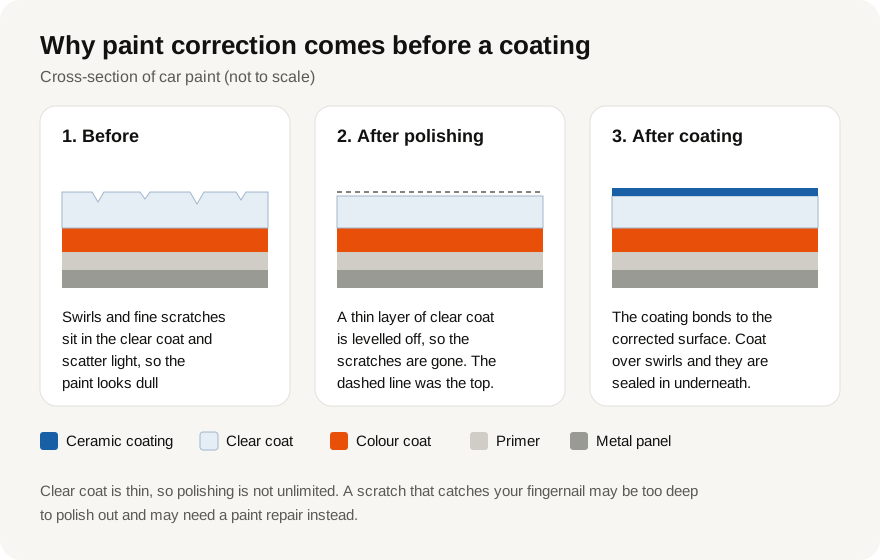
Because the clear coat is thin, polishing is not something to repeat endlessly. A scratch that catches your fingernail has often gone too deep to polish out safely and may need a paint repair instead. Our scratch and dent guide explains how to tell. A careful workshop will measure or assess the paint before heavy correction, especially on older or previously resprayed cars.
Ask what level of paint correction is included. Some packages include a single light polish, others a multi-stage correction. The coating may be the same in both, but the finish under it will not be.
Which one suits your car?
There is no single right answer. It depends on the paint's condition, how long you plan to keep the car and how much washing you want to do.
- New or nearly new car, keeping it for years: a coating applied early, with light correction if needed, protects the paint while it is still in good condition.
- Older car with swirls and dull paint: paint correction makes the biggest visible difference. Protect it afterwards with a sealant or coating, or the swirls tend to come back with careless washing.
- You enjoy washing and waxing: regular wax or sealant is a perfectly good routine, as long as you keep it up.
- Parked outdoors, under trees or near the coast: longer-lasting protection helps against sap, bird droppings, salt air and UV, but it still needs regular washing to work.
- Selling the car soon: a polish and a sealant may freshen it up without paying for multi-year protection.
A coating is not maintenance-free. It makes dirt easier to remove, but the car still needs washing, and a neglected coating loses its water beading and gloss.
Looking after it in Singapore heat and rain
Strong sun all year, sudden heavy rain and trees over many carparks are hard on any paint protection. Bird droppings and tree sap can etch the paint when baked in the sun, and rain or tap water left to dry on hot panels can leave mineral water spots, even on a coated car.
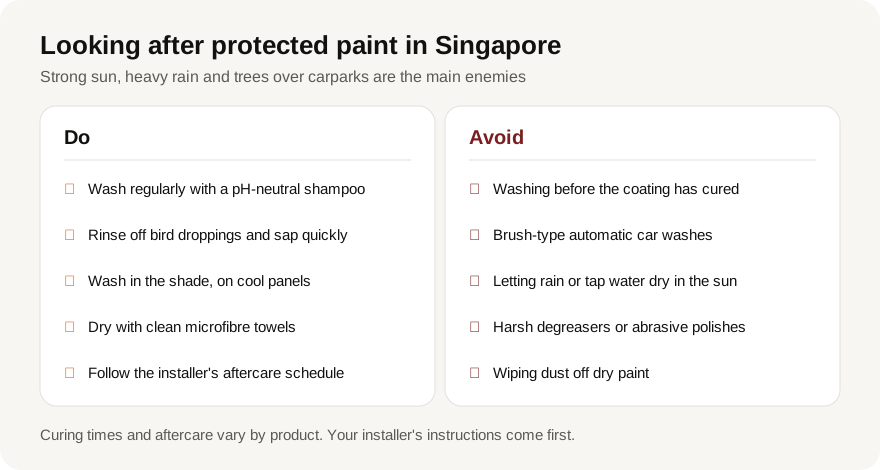
- Respect the curing period. A new coating needs time to harden. Your installer will tell you how long to keep it dry and unwashed, which is often several days.
- Deal with droppings and sap quickly. Soften them with water or a dedicated cleaner and lift them off, rather than scrubbing.
- Wash and dry gently. Use a pH-neutral shampoo, a clean mitt and soft microfibre towels. Brush-type automatic washes and dry-wiping dust are common causes of new swirls.
- Check the warranty terms. Some coating warranties require periodic inspections or maintenance visits. Ask what is needed to keep it valid.
After heavy rain followed by sun, rinse the car and dry it, or at least dry the bonnet, roof and boot. Water left to evaporate on hot paint is what leaves stubborn spots.
Before you book
Detailing packages vary a lot, so clear details help workshops quote like for like. Tell them:
- The make, model, year and colour, and whether it is parked outdoors or under cover
- The paint's condition, with photos in daylight showing swirls, scratches or water spots
- What you want: a one-off polish, a sealant, or a coating meant to last years
- Whether any panels have been resprayed
When comparing quotes, check what prep and paint correction are included, the coating product and how many layers, whether it is applied indoors, how long the warranty runs and what aftercare it requires. On AXL you can describe the detailing job once and vetted workshops quote, so you can compare what each package actually includes.
Frequently asked questions
Is ceramic coating better than wax?
It usually lasts much longer and resists dirt and chemicals better, but it takes more prep and costs more up front. Wax gives good gloss and is easy to apply yourself, but it needs redoing far more often, especially in strong sun.
Does ceramic coating stop scratches?
No. It can resist very light marks, but it will not stop scratches from keys, branches, stone chips or careless washing. For physical protection, paint protection film is the product to ask about.
Can I wax over a ceramic coating?
It is usually unnecessary, and some products can affect how the coating behaves. Many coating makers offer their own top-up spray instead. Check with your installer, as using the wrong product could affect the warranty.
Describe the job once and Singapore workshops send you quotes to compare. Your details stay private until you choose.
Get free quotesRelated services
More guides
- Car aircon not cold? 8 common causes and what to do
- How to compare car workshop quotes (and what to ask before you say yes)
- Car servicing schedule in Singapore: minor vs major service
- Brake warning signs: what each symptom means
- Car battery warning signs: when to replace it
- When to replace your car tyres: tread, age and wear
- Check engine light on? What it means and what to do
- Car scratch or dent: what can be fixed, and how?
- CVT and automatic gearbox warning signs: when to worry