What an EV service covers, and what it skips
The biggest difference is what is missing. There is no engine oil to change, no oil filter, no spark plugs and no engine air filter. That is why an EV service is usually shorter than a petrol car service. Most of the rest of the car is the same: the brakes, tyres, suspension, steering, lights, wipers and aircon all need the same checks.
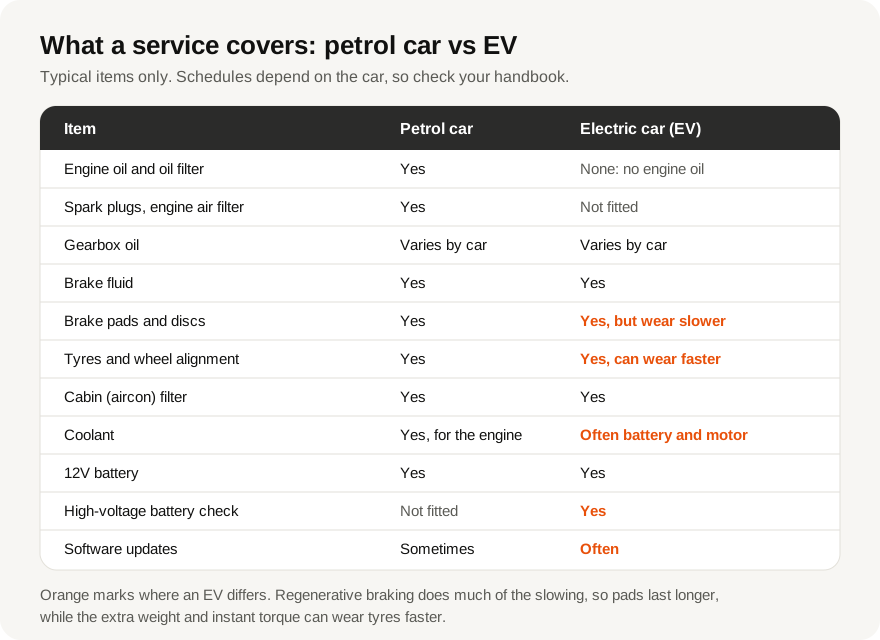
Service intervals vary a lot between makes. Some carmakers use a time-based schedule, some go by distance, and some cars tell you through the dashboard or app when a service is due. Check your handbook or the car's app rather than going by what a petrol car would need.
What still wears out on an EV
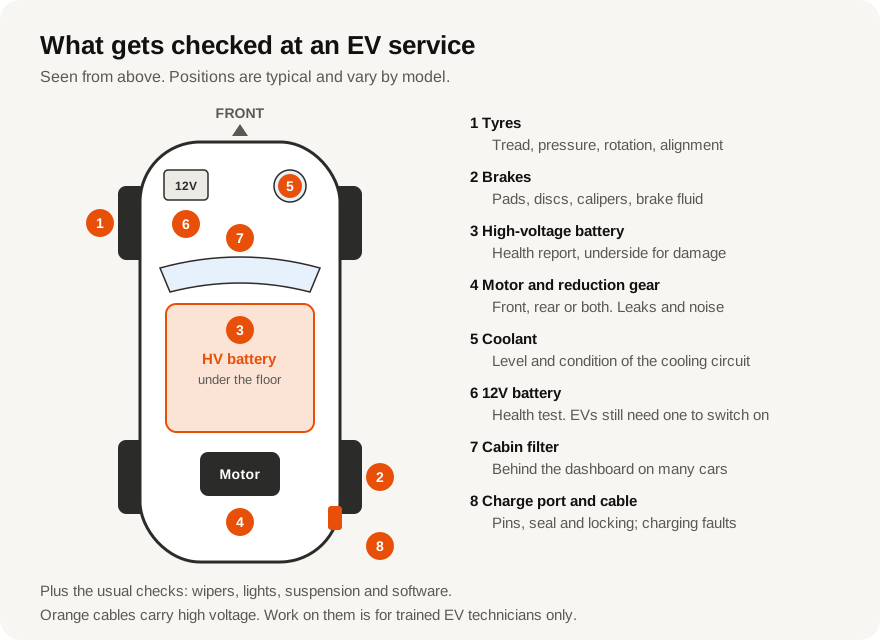
- Tyres. EVs are heavy and deliver their pulling power instantly, so tyres can wear faster than on a similar petrol car. Keep the pressures right, rotate them if your handbook recommends it, and check the tread regularly. Our tyre guide explains what to look for.
- Brakes. Regenerative braking, where the motor slows the car and recharges the battery, does much of the work, so pads and discs often last longer. The catch is that brakes used gently can rust or stick, and Singapore's humidity and heavy rain make that more likely. Brake fluid still needs changing on schedule.
- Coolant. Many EVs use liquid cooling to keep the battery and motor at a comfortable temperature. In Singapore's heat, and when fast charging, that system works hard. Ask the workshop to check the level and condition, and follow the handbook on when to change it.
- Cabin filter. The aircon runs most of the day here, and in some EVs the same system helps cool the battery. A clogged filter means weaker airflow and musty smells.
- 12V battery. An EV still has a small 12V battery that powers the locks, screens and computers and lets the car switch on. If it goes flat, the car may not start even with a full high-voltage battery.
- Suspension and wheels. The extra weight puts more load on bushes, shock absorbers and wheels, so these are worth checking, especially if your daily route includes plenty of speed bumps and multi-storey car park ramps.
The high-voltage battery and software
The high-voltage battery is the most expensive part of an EV. It usually loses capacity slowly over the years rather than failing suddenly, and you notice it as a gradual drop in range. Heat, regular fast charging and keeping the battery at a very high or very low charge for long periods can all speed that up. Many carmakers suggest a daily charge limit below 100% and keeping full charges for long trips. Check what your handbook recommends.
A workshop with the right diagnostic equipment can read the battery's health from the car's systems and check the battery casing underneath for knocks and damage. If you are buying a used EV, a battery health report is worth asking for before you commit.
EVs also rely heavily on software. Some updates arrive over the air, while others need a visit to a workshop with the right tools for your make. Updates can fix faults, change charging behaviour or improve range, so ask at each service whether any are due.
Only trained technicians should work on the high-voltage system, which you can usually spot by its bright orange cables. Routine items such as tyres, brakes, wipers and the cabin filter can be done by many workshops, but battery, motor and charging faults need a workshop that is set up for EVs and, ideally, for your make.
Warning signs, and when not to drive
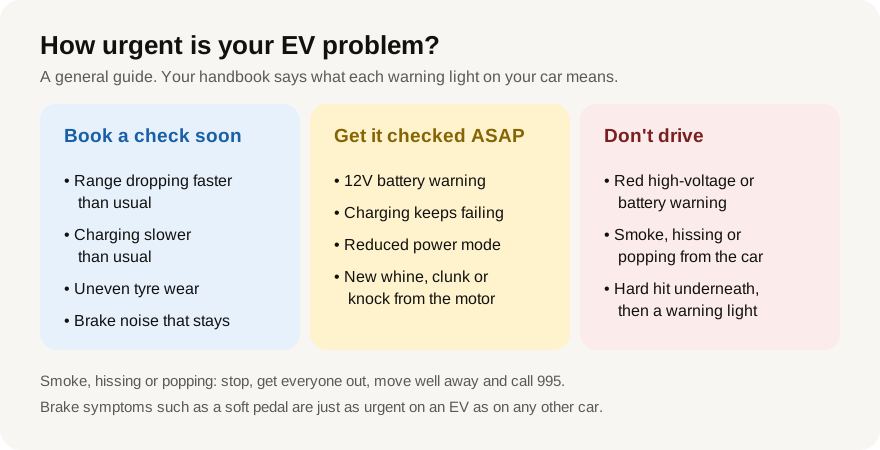
Warning lights and their meanings differ between makes, so look up any unfamiliar symbol in your handbook. As a rule, a red warning means stop as soon as it is safe, and an amber one means book a check soon.
When not to drive: if you see a red warning about the high-voltage system or battery, if the car has taken a hard hit underneath (for example from a kerb, road debris or a deep pothole) and a warning light follows, or if anything under the car is smoking, hissing or popping. In that last case, stop somewhere safe, get everyone out, move well away from the car and call 995. Do not try to inspect or charge the battery yourself. Arrange for the car to be moved on a flatbed rather than towed with its wheels on the road, unless your handbook says otherwise.
Before you book
EV quotes depend on the make, the work and whether the workshop has the equipment for your car. Tell workshops:
- The make, model, year and mileage
- Whether this is a routine service or a specific problem, and any warning lights (a photo of the dashboard helps)
- Any changes in range or charging speed, and how you usually charge
- When the car was last serviced and whether it is still under the carmaker's warranty
If the car is still under warranty, check the warranty terms before booking, as conditions for the high-voltage battery and for servicing outside the dealer network vary by carmaker. On AXL you can describe your EV job once and vetted workshops quote, so you can compare EV-ready workshops side by side.
Frequently asked questions
How often does an electric car need servicing?
It depends on the make. Some carmakers set a time-based schedule, others go by distance or let the car tell you when it is due. EVs usually need less routine work than petrol cars, but tyres, brakes, coolant, the cabin filter and the 12V battery still need regular checks. Your handbook or the car's app has the schedule.
Can a normal workshop service my EV?
Many workshops can handle routine items such as tyres, brakes, wipers and the cabin filter. Anything involving the high-voltage battery, motor or charging system needs trained technicians and the right equipment, so look for a workshop set up for EVs. If your car is under warranty, check whether the terms say where it must be serviced.
How do I know if my EV battery is degrading?
The usual sign is a gradual drop in range that is not explained by weather, aircon use or driving style. A workshop with the right diagnostic tools can read the battery's health from the car's systems. A sudden drop in range or a battery warning light is different and should be checked soon.
Describe the job once and Singapore workshops send you quotes to compare. Your details stay private until you choose.
Get free quotesRelated services
More guides
- Car aircon not cold? 8 common causes and what to do
- How to compare car workshop quotes (and what to ask before you say yes)
- Car servicing schedule in Singapore: minor vs major service
- Brake warning signs: what each symptom means
- Car battery warning signs: when to replace it
- When to replace your car tyres: tread, age and wear
- Check engine light on? What it means and what to do
- Car scratch or dent: what can be fixed, and how?
- CVT and automatic gearbox warning signs: when to worry
- Ceramic coating vs polish vs wax: what each one does
- Car window tint rules in Singapore: how dark can you go?
- Windscreen chip: repair it or replace the glass?