Wrap or PPF: what each one does
A colour-change wrap is a coloured vinyl film. It changes the colour or finish of the car (gloss, satin, matte, metallic or textured) without a respray, and it can be peeled off later. Paint protection film is usually clear and thicker. It is there to take the stone chips, scrapes and light scratches that would otherwise mark the paint.
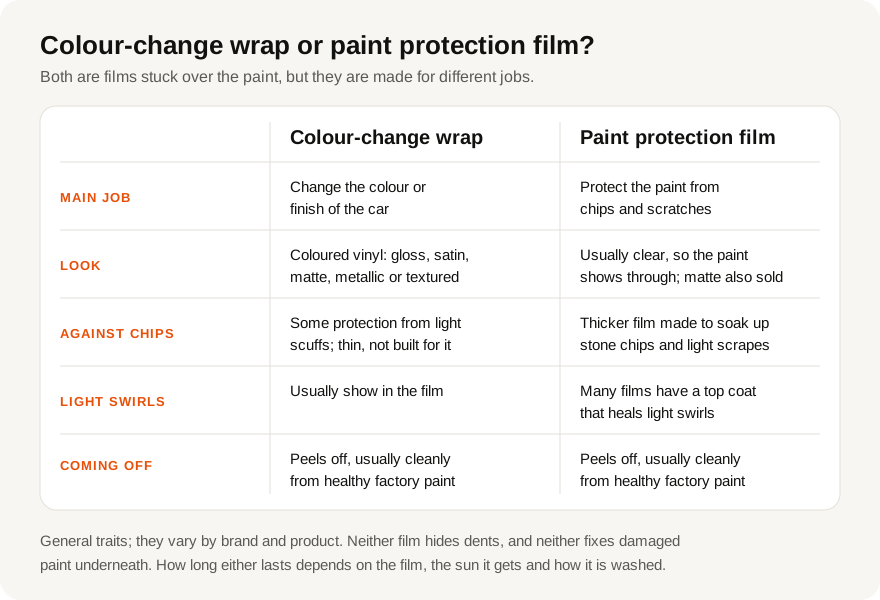
- Choose a wrap if you want a new colour or finish, want to try a look you can undo, or want to cover part of the car, such as the roof, mirrors or bonnet, in a contrast colour.
- Choose PPF if you are happy with the colour and want to keep the paint looking new, especially on a new car or one you plan to keep for years.
- Some owners combine them, for example PPF on the front and a ceramic coating on top, or coloured PPF, which some brands sell to change the colour and protect at the same time. Ask the installer what their film allows.
How long either lasts depends heavily on the film, how much sun the car gets and how it is washed, so compare the warranty period and what it covers rather than a general figure. For a comparison with polish, wax and ceramic coating, see our ceramic coating guide.
Full car, front only or just the high-impact areas
A wrap is usually done on the whole car, or on chosen panels for a two-tone look. PPF is more often done in stages, starting with the parts that face the road and take the most chips.
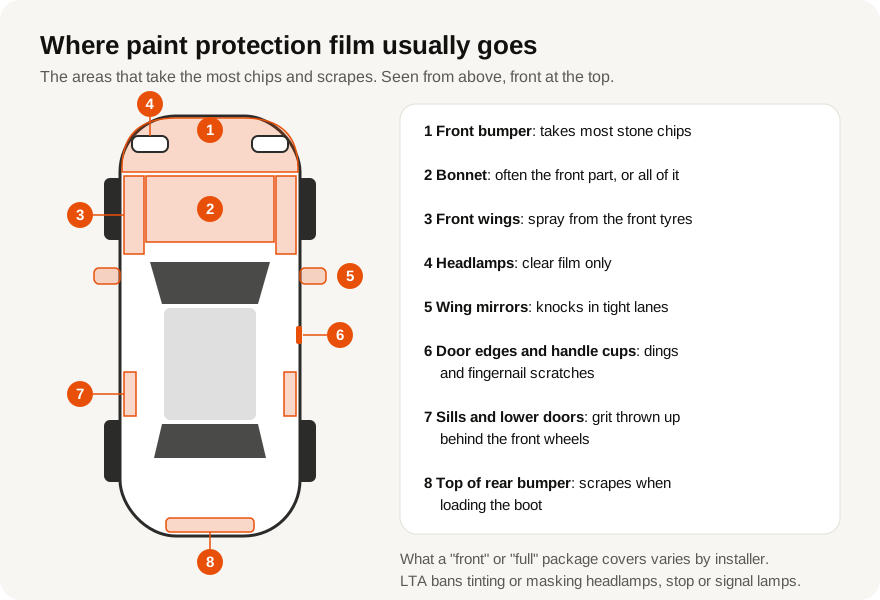
- Front areas: the bumper, bonnet, front wings, mirrors and headlamps take most of the stone chips from expressway driving.
- Everyday wear spots: door edges, door handle cups and the top of the rear bumper pick up dings and scratches in tight HDB and condo car parks.
- Full car: every painted panel covered, which gives the most even look and protection.
Ask exactly which panels a package covers, whether the bonnet and wings are covered in full or only the front part, and where the film edges will sit. A visible line across the bonnet is normal for partial coverage, and you are better off knowing in advance.
LTA's modification rules do not allow tinting or masking headlamps, stop lamps or signal lamps. Clear protective film over headlamps is common, but smoked or coloured film over any lamp is not something to add.
Your paint matters before the film goes on
Film follows the surface underneath, so prep makes a big difference to how it looks and how it comes off later.
- Dents and deep chips show through. Neither a wrap nor PPF hides them, and a chip under clear film is sealed in. Get dents and chips repaired first if they bother you. Our scratch and dent guide explains the options.
- Swirls get sealed in under PPF. Many installers polish the paint before fitting clear film. Ask whether paint correction is included.
- Resprayed or weak paint can lift on removal. Factory paint usually releases film cleanly, but paint that has been resprayed, or is already peeling, can come away with it. Tell the installer about any respray.
- Door shuts and edges. Ask whether the film wraps around panel edges and into door shuts, and whether any parts such as badges, handles or lights are removed to fit it neatly.
Looking after it in Singapore sun and rain
Strong sun all year is hard on any film. It is what fades colours, yellows older clear films and makes vinyl brittle over time, and the roof, bonnet and boot lid take most of it. Bird droppings and tree sap baked onto film in the sun can stain it, and heavy rain followed by sun leaves water spots.
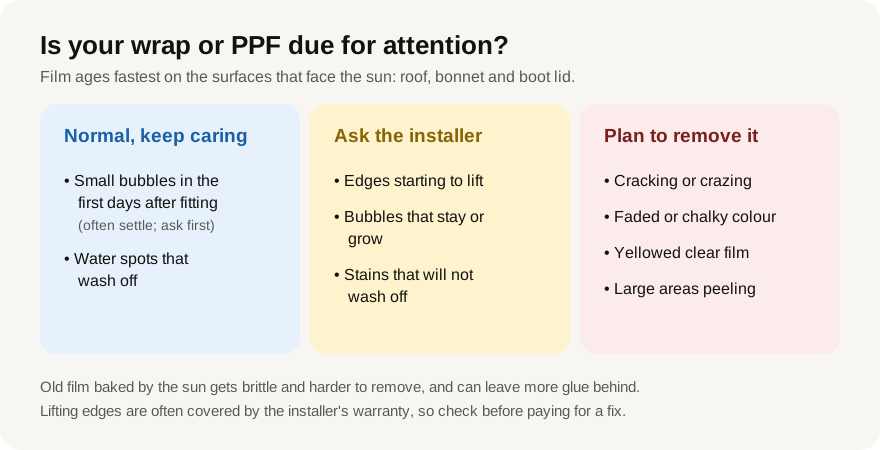
- Follow the curing advice. Your installer will say how long to wait before the first wash. Small bubbles in the first days often settle as the film cures, but ask rather than pressing them yourself.
- Wash by hand where you can. Use a pH-neutral shampoo and a soft mitt. Brush-type automatic washes can scratch film and catch its edges.
- Keep pressure washers back from the edges. A close jet aimed at a film edge can lift it.
- Clean off droppings and sap quickly, before the sun bakes them in.
- Matte and satin films need their own products. Wax and polish can leave shiny patches, so use cleaners made for matte finishes.
- Park in the shade when you can. A covered car park is the single biggest help to a film's life here.
When it is time for the film to come off, have it removed by a workshop rather than leaving it until it cracks. Film that has been left too long in the sun tends to come off in small pieces and leave more glue behind, which takes longer to clean.
Changing colour: LTA records and your insurer
LTA keeps a record of each vehicle's colour as one of its registered particulars, with a primary and a secondary colour. OneMotoring has an Amend Vehicle Colour e-service, which you log in to with Singpass, for updating it. LTA's public pages do not spell out how a wrap is treated, whether a partial wrap counts or how quickly the record must be updated, so check with LTA before or soon after a colour change. Many wrap installers can also tell you what owners usually do.
LTA also says vehicle modifications must be declared to your motor insurer. Tell your insurer about a wrap or PPF and check how it affects your cover, including whether the film itself is covered if a panel is damaged. Clear PPF does not change the colour of the car.
Before you book
Wrap and PPF quotes depend on the film, the coverage and the car, so clear details help workshops quote like for like. Tell them:
- The make, model, year and current colour, with photos of the whole car in daylight
- Whether you want a colour change, PPF, or both, and which panels
- For a wrap, the colour and finish you have in mind, or a film brand and code if you have one
- Any dents, chips, resprays or existing film that needs removing first
When the quotes come back, check the film brand and product line, exactly which panels are covered, whether paint prep and correction are included, whether edges and door shuts are wrapped, and how long the warranty runs and what it covers. On AXL you can describe the wrap or PPF job once and vetted workshops quote, so you can compare films, coverage and warranties side by side.
Frequently asked questions
Does a wrap or PPF damage the paint?
On healthy factory paint, good film usually comes off cleanly when removed properly. Resprayed, weak or already peeling paint can lift with the film, and film left on until it is brittle is harder to remove. Tell the installer about any respray before fitting.
Do I need to tell LTA if I wrap my car a different colour?
LTA records your car's colour and has an Amend Vehicle Colour e-service on OneMotoring. Its public pages do not say exactly how wraps are treated, so check with LTA when you change colour. Also tell your insurer, as LTA says modifications must be declared to them.
Can I put a ceramic coating on PPF or a wrap?
Often, yes. Many owners coat over PPF to make it easier to clean, and some coatings are made for vinyl and matte finishes. Check with the film installer first, as the wrong product could affect the film or its warranty.
Describe the job once and Singapore workshops send you quotes to compare. Your details stay private until you choose.
Get free quotesRelated services
More guides
- Car aircon not cold? 8 common causes and what to do
- How to compare car workshop quotes (and what to ask before you say yes)
- Car servicing schedule in Singapore: minor vs major service
- Brake warning signs: what each symptom means
- Car battery warning signs: when to replace it
- When to replace your car tyres: tread, age and wear
- Check engine light on? What it means and what to do
- Car scratch or dent: what can be fixed, and how?
- CVT and automatic gearbox warning signs: when to worry
- Ceramic coating vs polish vs wax: what each one does
- Car window tint rules in Singapore: how dark can you go?
- Windscreen chip: repair it or replace the glass?
- EV servicing in Singapore: what it involves and what is different
- Kerbed alloy wheel: repair it or replace it?